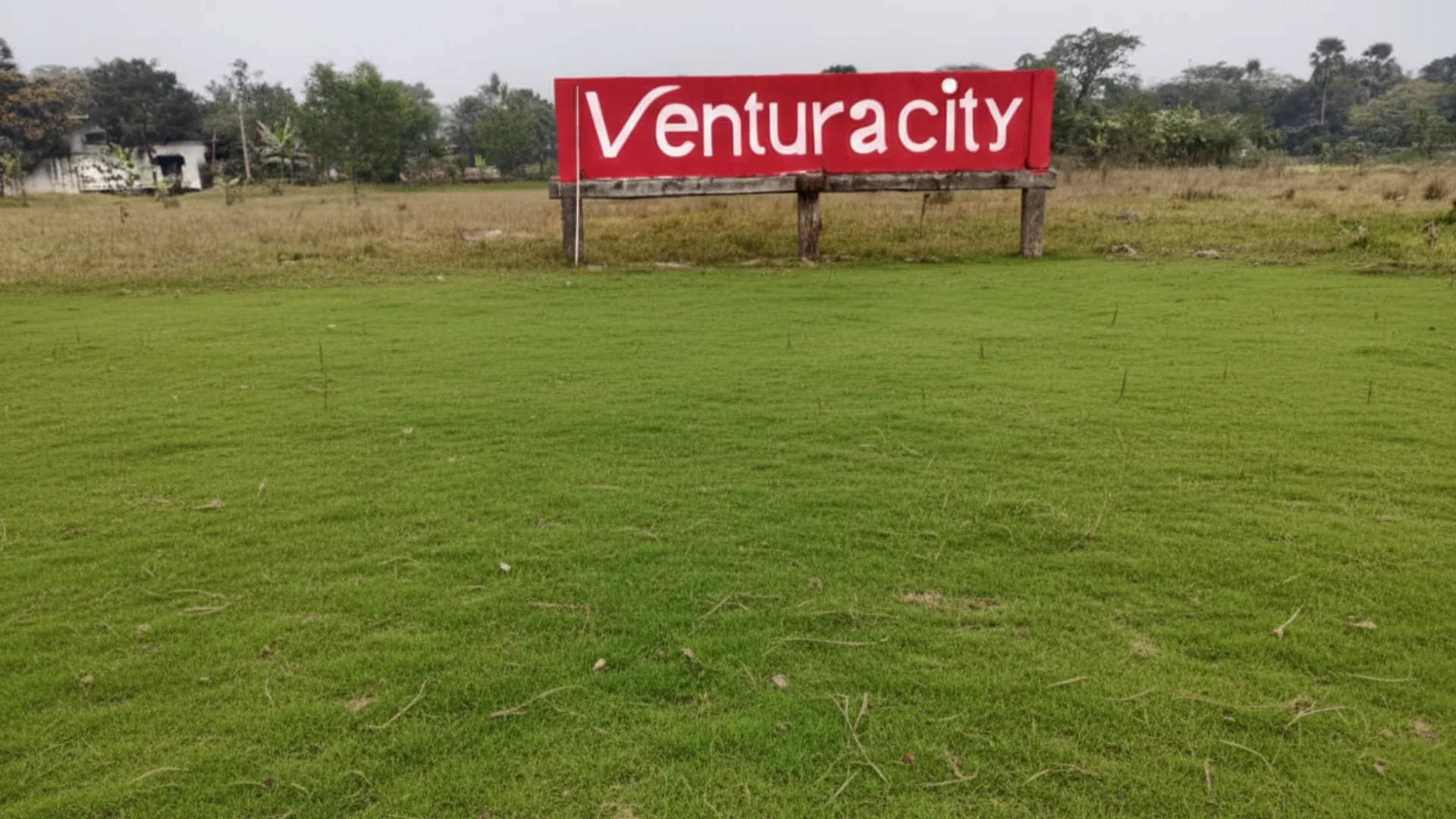
Understanding the Land Market in Bangladesh
Bangladesh has one of the most dynamic land markets in South Asia, driven by rapid urbanization, a growing middle class, and limited supply of properly zoned residential land in major cities. Dhaka, in particular, has seen land prices triple over the past decade, making land acquisition both a significant investment opportunity and a decision that demands careful research and planning.
The legal framework governing land transactions in Bangladesh is based on a combination of the Registration Act of 1908, the Transfer of Property Act of 1882, and the State Acquisition and Tenancy Act of 1950. While these laws provide a structured process, the complexity of land records, the prevalence of disputed ownership, and the involvement of multiple government agencies mean that buyers must exercise extraordinary caution at every stage of the process.
For first-time buyers, the sheer volume of paperwork and the unfamiliarity with local customs can be overwhelming. This guide aims to demystify the process, providing a clear, step-by-step roadmap from initial research to final registration.
Key Facts About Land Purchase in Bangladesh
- ◆All land transfers must be registered at the Sub-Registrar's office
- ◆Mutation must be completed within 3 months of registration
- ◆RAJUK approval required for any development in Dhaka metropolitan area
- ◆Stamp duty and registration fees typically total 7-8% of property value
Step-by-Step Legal Process
The land purchase process in Bangladesh begins with a thorough title search. This involves examining the chain of ownership through a series of registered deeds, sometimes going back several decades. A competent lawyer will verify that the seller has legitimate ownership, that there are no outstanding mortgages or liens, and that the land is not subject to any government acquisition or litigation.
Once the title search is complete and the buyer is satisfied, a sale agreement (Baynaama) is executed between the parties. This agreement typically includes the sale price, payment schedule, and a timeline for final registration. A portion of the purchase price, usually 10-20%, is paid as earnest money at this stage. The final registration is then completed at the Sub-Registrar's office, where both parties must appear with their witnesses.
After registration, the buyer must complete the mutation process with the local land revenue office. This updates the government records to reflect the new ownership and is essential for paying property taxes and establishing legal title in official records. Failure to complete mutation can lead to complications when selling or developing the land in the future.
Due Diligence Checklist
Before committing to any land purchase in Bangladesh, buyers should verify several critical documents. The most important is the certified copy of the latest registered deed, which establishes the current owner's right to sell. Additionally, buyers should request the current tax receipt (Khajna), the mutation certificate, and any approved layout plan if the land is part of a housing project.
For lands in the Dhaka metropolitan area, RAJUK approval is mandatory for any development activity. Buyers should verify that the project or plot has obtained the necessary RAJUK clearance and that the layout plan matches the actual site conditions. Many unscrupulous developers operate without proper approvals, leading to demolition orders, legal battles, and significant financial losses for buyers.
Financing and Payment Options
While cash purchases remain the most common method for land transactions in Bangladesh, several banks and financial institutions now offer land purchase loans. These typically cover 50-70% of the property value, with repayment periods of 5 to 15 years. Interest rates vary between 9-13% depending on the lender and the borrower's credit profile.
Reputable developers like MATRICA offer flexible installment plans that reduce the upfront financial burden. These plans typically involve a down payment followed by monthly or quarterly installments over 2 to 5 years, making land ownership accessible to a broader range of buyers. Before committing to any financing arrangement, buyers should carefully review the terms, including any penalties for late payment and the consequences of default.